Chinese Chives

Short version:

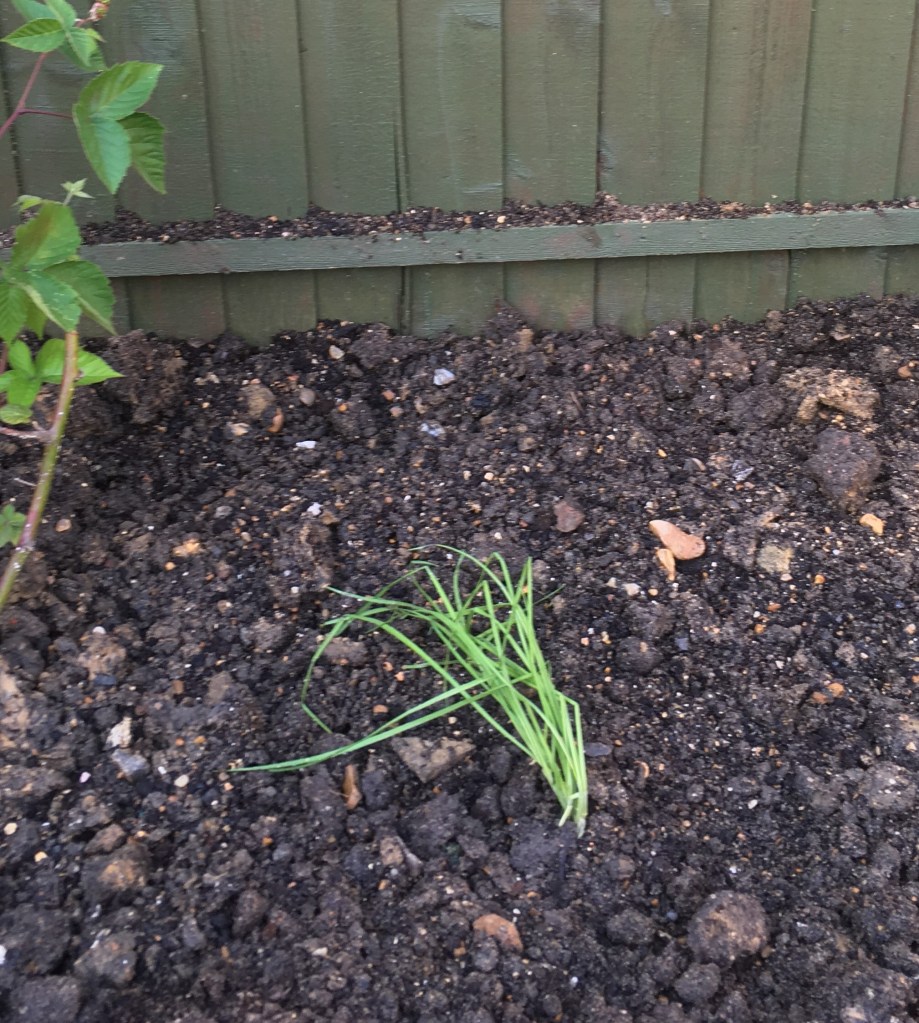
These perennials have flat, grass like leaves that radiate from the base in an upright manner. They spread slowly and grow in clumps. They can be grown from seed or the bulbs/rhizomes can be transplanted to start a patch. They thrive at the opposite time of the year to three cornered leeks so work well grown in conjunction. They taste like sweet mild garlic.

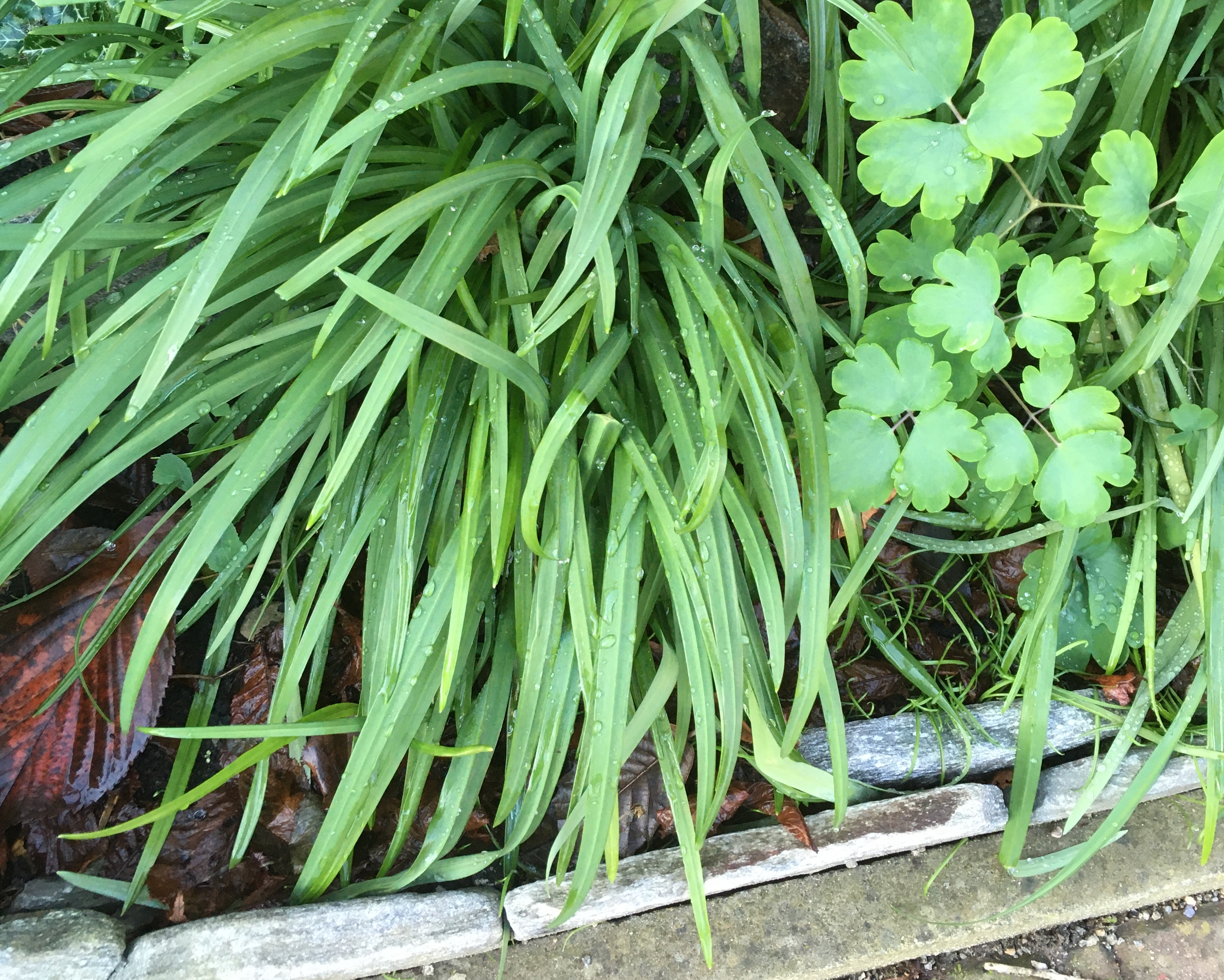
I have been around Chinese chives , also called garlic chives – allium tuberosum – my entire life. Both my maternal and paternal grandparents, as well as my mum grew these in their gardens. Each single plant looks like a succulent wide leaf grass with the leaves stemming from the base. They will grow in a clump.  

How to grow
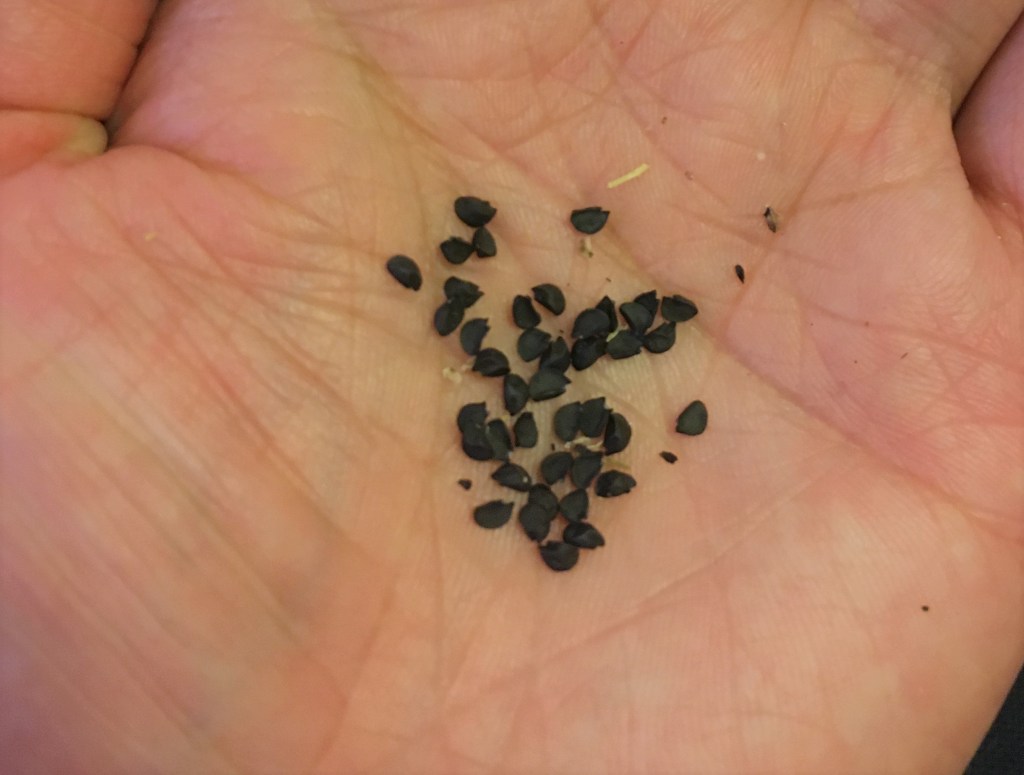
They can be grown from seed in little pots around April/May and then planted out as small clumps. It’s written in lots of websites that they self seed invasively, but in my own experience the seeds don’t germinate particularly easily. They also lose viability within the year. This may be why they don’t spread very fast. An easier way to get started is to ask someone who already has them to give you a dozen or so spare little plants. They are perennial so they come back every year and can keep growing for decades. The plants my mum has have continued to thrive even after 30 years. It would be hard to know though whether they are still the original plants or whether the oldest plants have died off years ago but have been replaced over the years by self propagating itself some replacements plants. They don’t run rampant like three cornered leeks, which can fill a whole bed within a couple of years. The Chinese chives (from what I’ve seen in my and my family’s gardens) will stay rather local and spread much much slower.  They are however a great plant to grow in conjunction with three cornered leeks.

The three cornered leeks thrive in the winter. They start in October and are in full swing by November when the Chinese chives are beginning to lose their umph. The three cornered leeks flower in April and die back soon after. This is when the Chinese Chives are filling out. As you can see from the photo they look very similar with the broad, flat leaves. The three cornered leeks have the middle rib and have the triangular cross section, whereas the the Chinese chives are very flat.

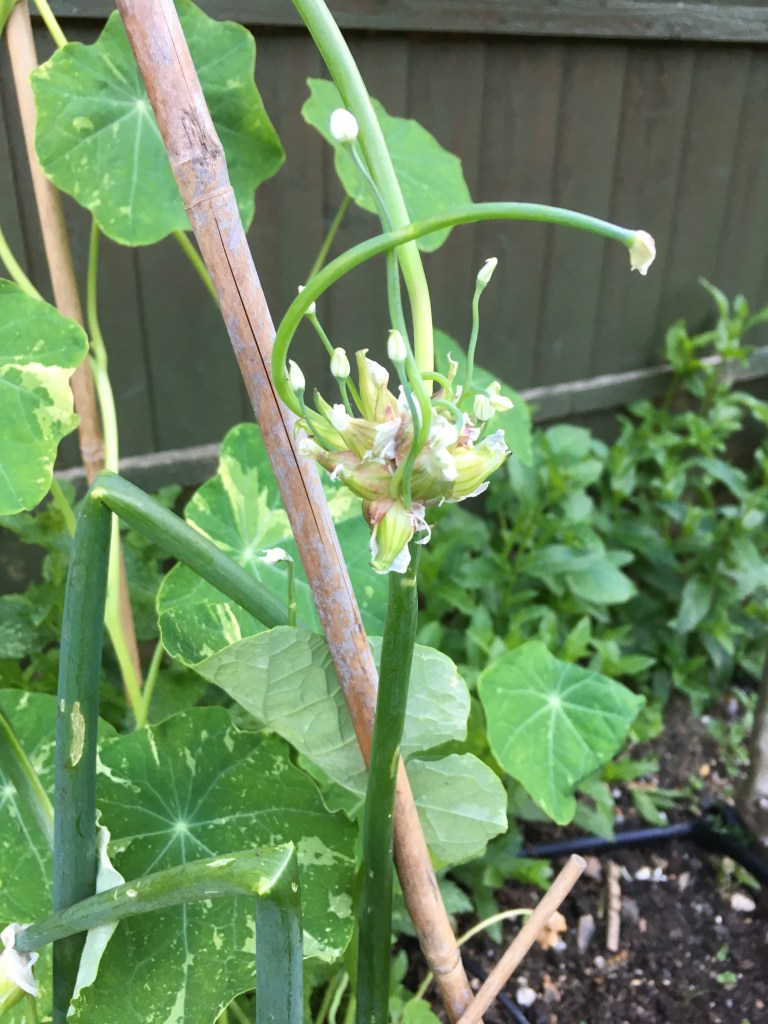
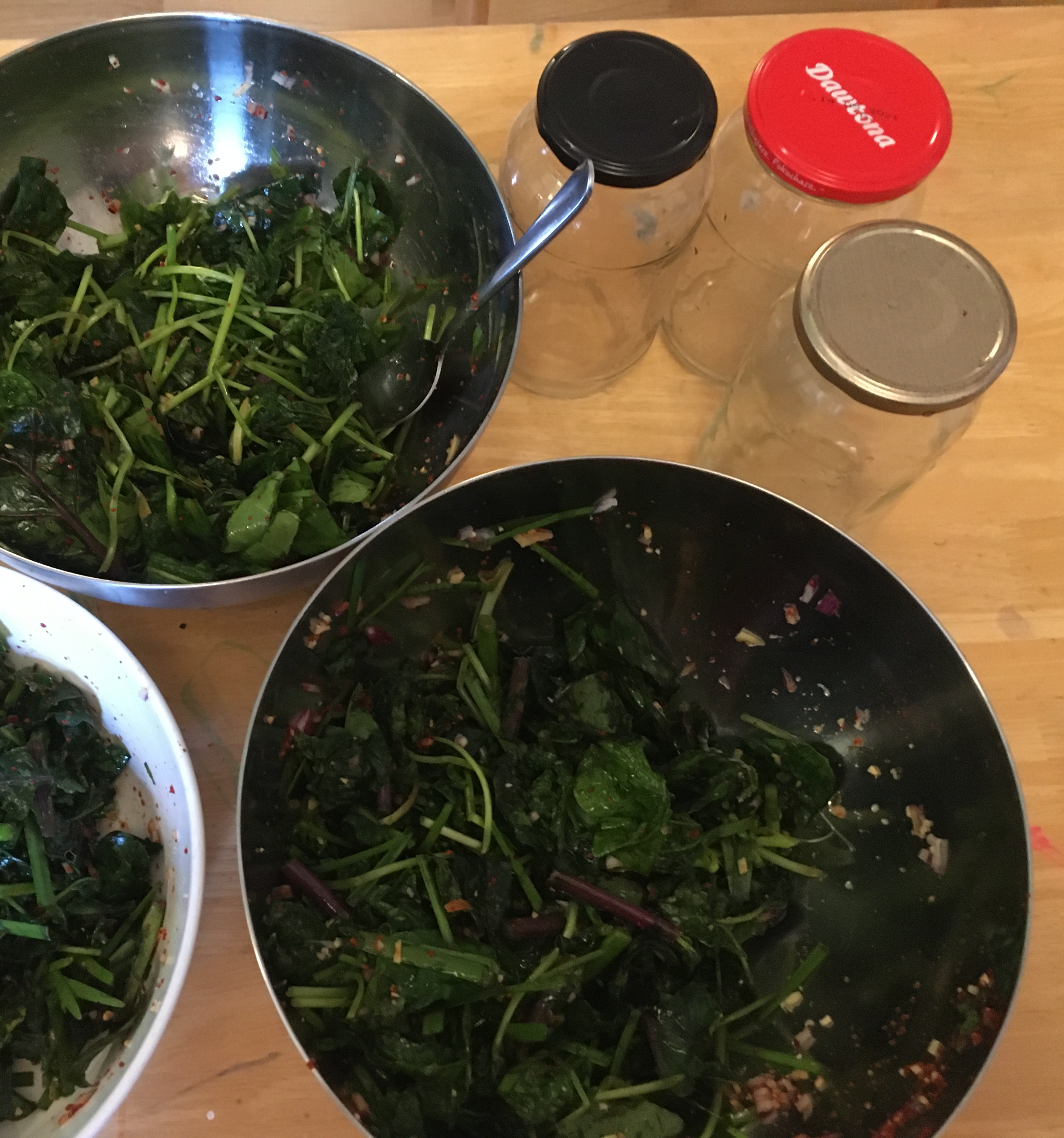
They like sun but grow fine in shade. This year the runner beans have completely shaded them and they’re still looking fine (picture at the start of the blog – you can even see that the nasturtiums are trying to overrun them).

The flowers grow on tall stalks that get tough as the flowers open. The flowers are lovely and don’t look out of place in a flower bed.  They are also loved by bees.

How to harvest

You can chop the whole thing off at the base before they send their flower shoots up. This is the quickest way and generally how my mum harvests. I, myself, often pull the thickest, juiciest, individual outer leaves to give the inner leaves a bit more time to grow, by severing with a thumbnail.

The flower stem with the bud on top can be harvested, as scapes, before the bud opens.

The flowers can also be harvested and look lovely in a salad, but by this point the stem will be too tough.

How they taste

They have a sweet, garlicky taste. They are excellent lightly stir fried or added to dishes at the last minute. We often eat them as a spring onion substitute in crispy duck pancakes. When they are at their fullest and juiciest, we sometimes stir fry as much as we can collect as a side dish. If they’re chopped up into centimetre long bits, they can be dropped into piping hot soups or congee (a Chinese rice porridge) to add flavour and colour. The scapes are fabulous just lightly fried in a pan.

Egyptian Walking onions

Short version:

A perennial, easy to grow onion that propagates, without much input from us, via bulbils. All of the plant is edible, but the bulbs and bulbils are small and fiddly so the leaves are great, instead, as a sweeter version of a spring onion. Plant in well-draining, fertile soil in a sunny spot for onion-y greens for most of the year.

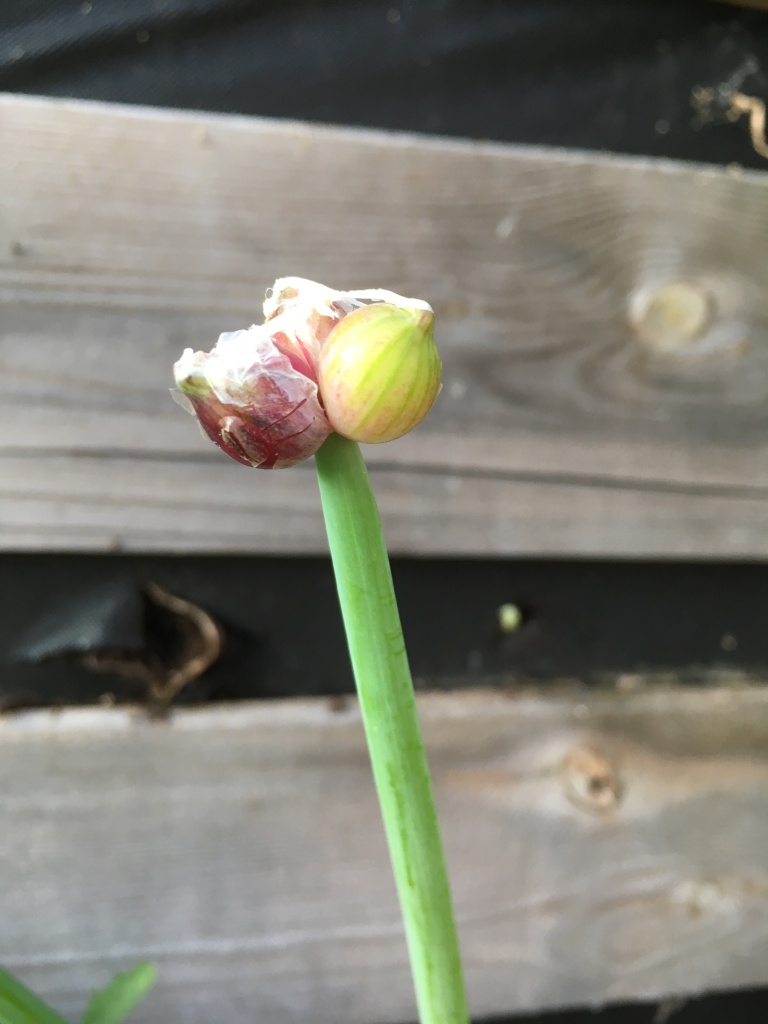
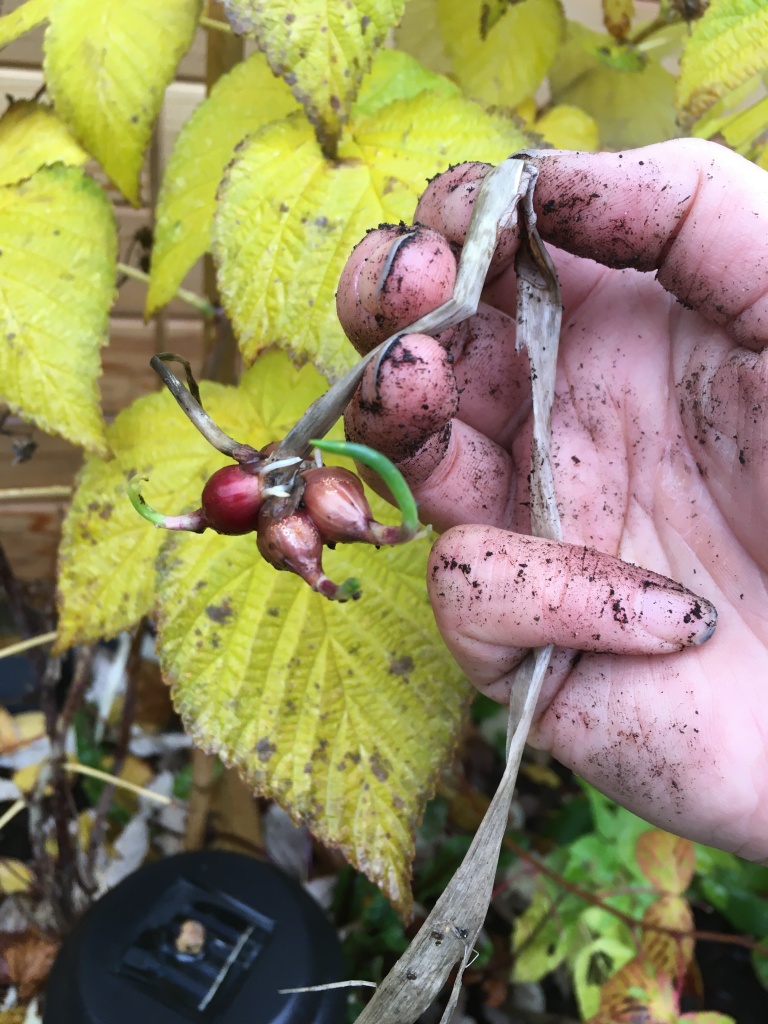
From the moment I read about them I knew I just had to get some. I think that moment was whilst researching the internet for perennial vegetables about 3 years ago. Called Allium proliferum it does indeed have the characteristic smell and taste of sulphurous compounds like other alliums. I’ve also heard that (or read as no-one else I know talks about vegetables at great length) they’re also called tree onions, topset onions and perennial onions. These are all suitable names. They are indeed prolific, grow tall when encouraged, have odd little bulbils at the top and are indeed perennial. My favourite name by far is ‘Egyptian walking onions’. I haven’t been able to figure out if they have their origins in Egypt, but I guess you can say they ‘walk’. It’s not a triffid thing. You won’t see them pull out their roots and go for a wander, cartoon style. What they do instead, is grow mini bulbs, called bulbils, where other alliums grow seeds. When these are ripe the stem dies and falls to the ground. The bulbils will scatter and grow where they have fallen. Of course, I feel the need to do the maths here. If the stem grows to 50cm and we assume that the bulbils fall where the top of the stem ends and this happens once a year, we are looking at:

speed = distance / time

= 500mm / 365.25 (days in a year)

= 1.37mm a day

Divide by 24 hours

= 0.057mm an hour

Divide by 60 minutes

= 0.00095mm a min

Divide by 60 seconds

= 0.000016mm a second

Or in standard scientific terms 1.6×10⁻⁸m/s

There is of course nothing scientific about it as there are far too many assumptions but I just like the idea that they could be moving a millimetre or so a day.

Growing

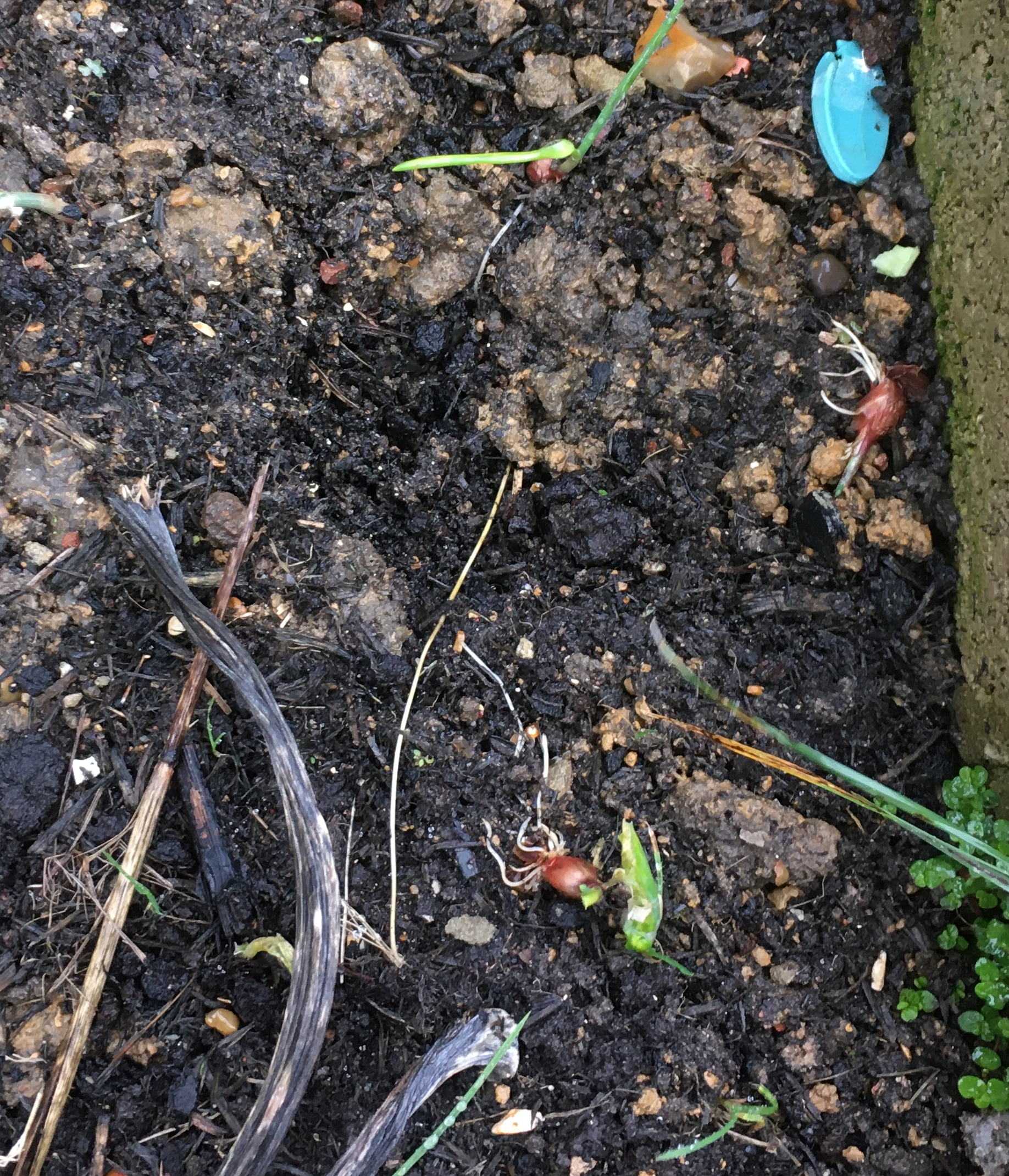
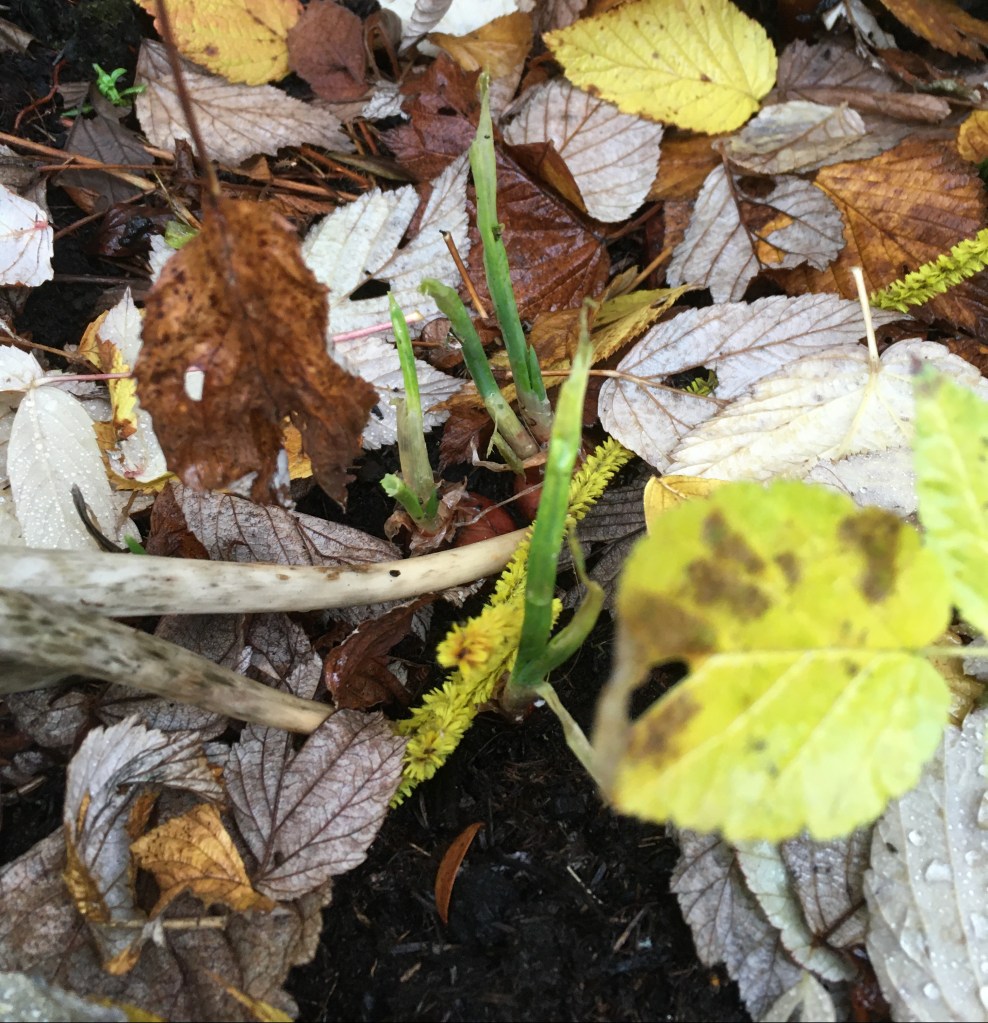
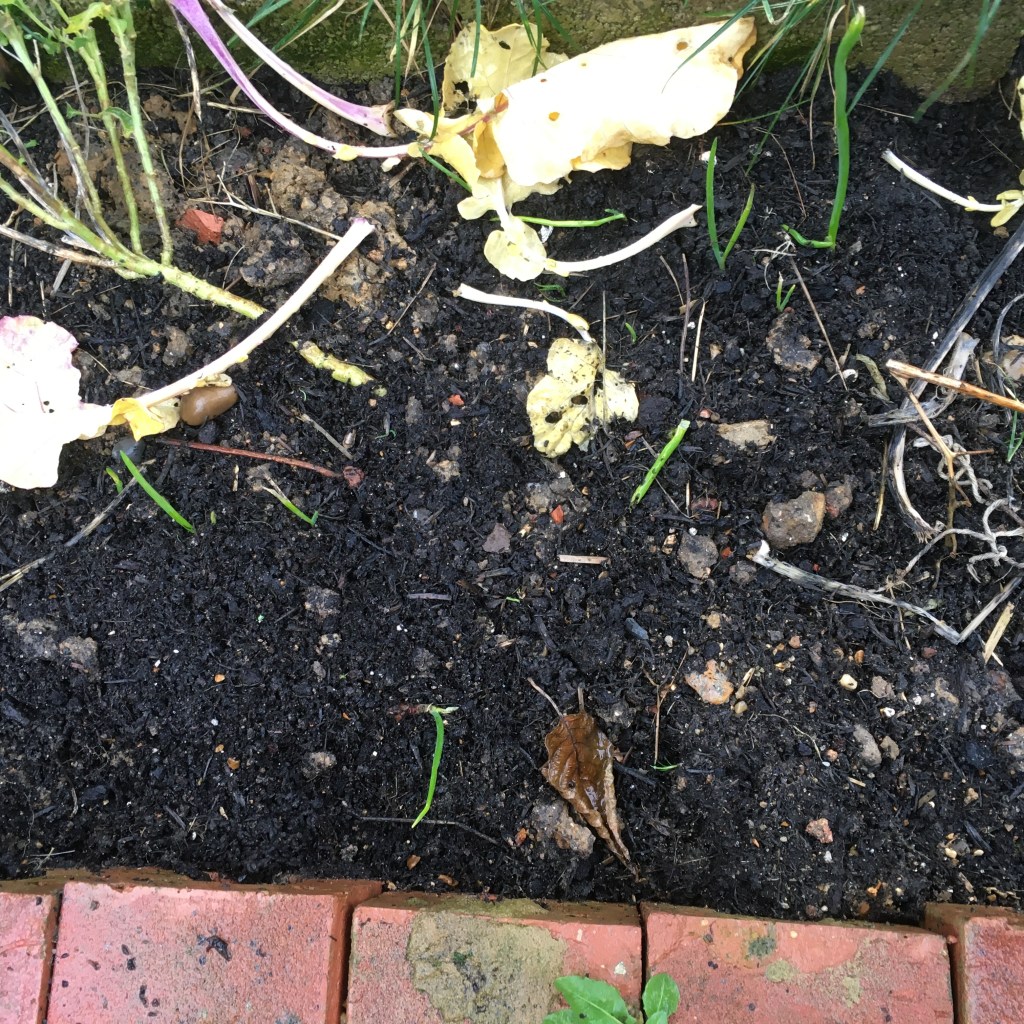
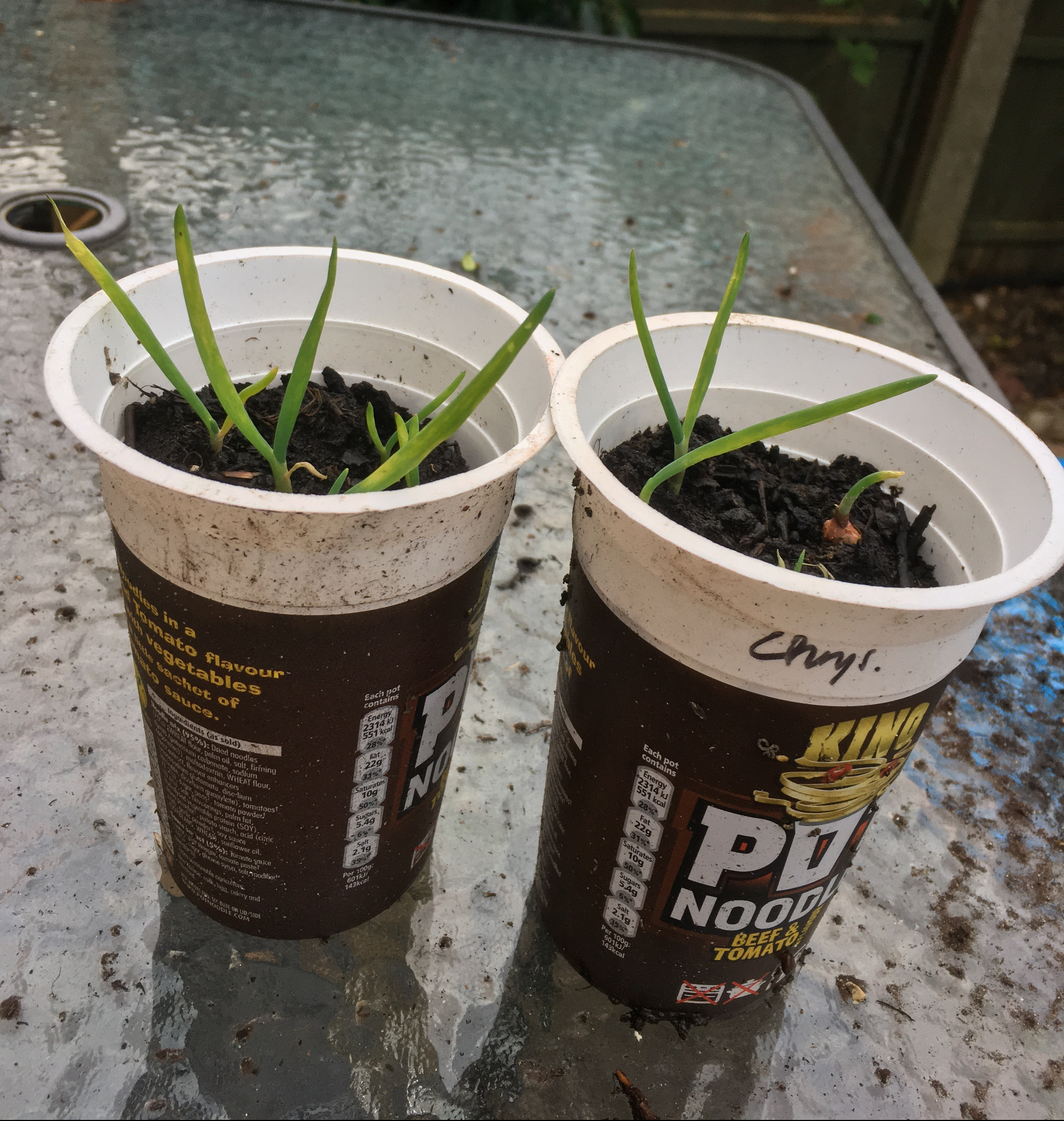
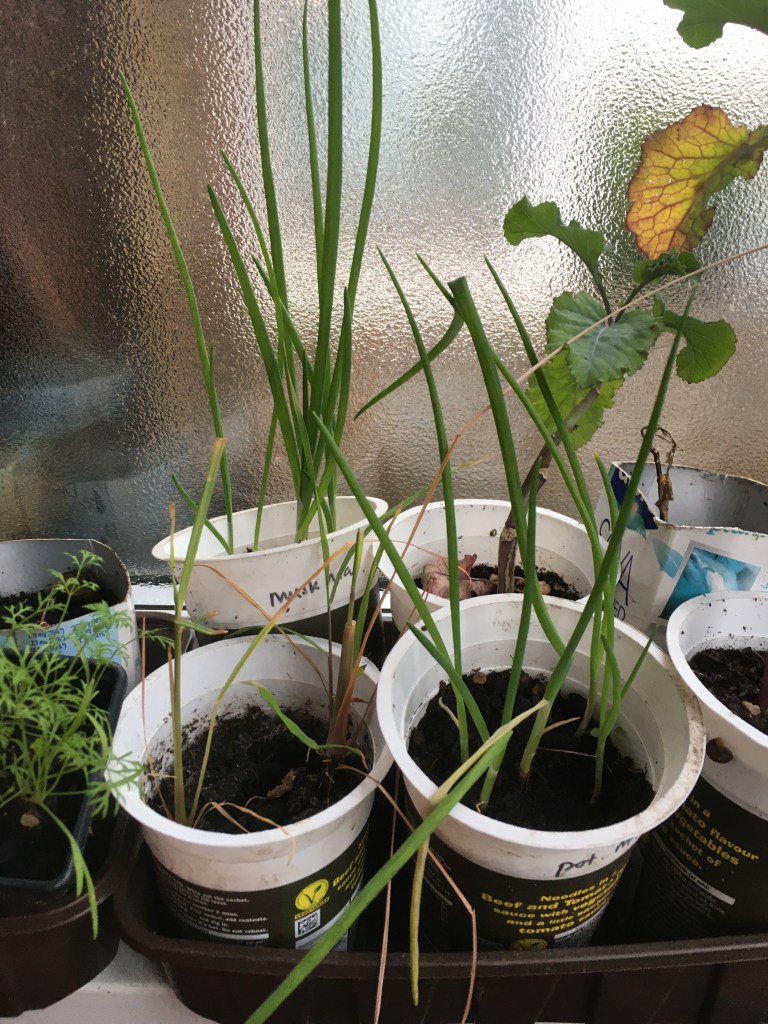
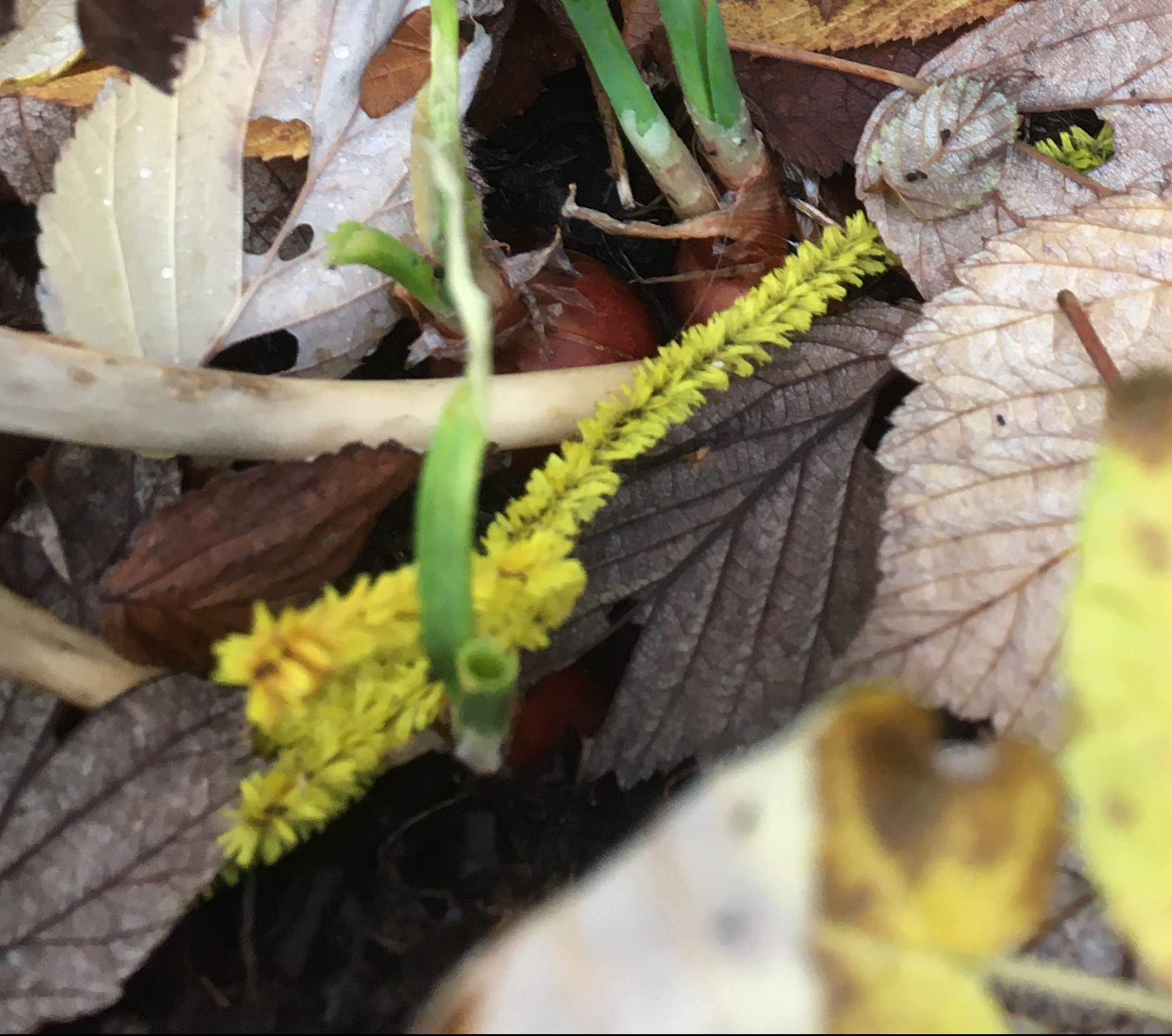
You can order them off the internet as bulbils. You can’t get these from the big commercial providers, but you can usually find then somewhere on the internet from specialised sellers or on ebay. You literally stick them in the ground (or in a pot) in the autumn and by February you’ll see the shoots. Once you have them growing (they can be very slow in the first year) and they’re producing bulbils you can either let them fall as they like, or you can harvest the bulbils to eat or to save for growing elsewhere. If you leave the bulbils on the stem and the stem doesn’t fall, you’ll still find that the bulbils will start shoots and roots anyway. I usually pick them and shove in the soil or in a pot to put on a windowsill over winter to provide a winter supply. If you pick the bulbils when ripe (around September) and stick them straight into the ground you will get shoots in October, but growth will be slow, and the survival of the greens will depend on how mild the winter is. Walking onions are hardy so, come spring you’ll get both the bulbs and the bulbils resprouting fairly early.

In my heavy, soggy clay soil, they’ll grow but they’re not particularly happy. They do better in the raised beds that have plenty of compost added. They can also grow in some shade but prefer plenty of sun.

Harvesting

The leaves are great as spring onions for a long period of the year. They’re sweeter than spring onions are. You can harvest the bulbils for eating when they’re green and therefore have less papery skin. We don’t eat the bulbils. Instead I have been using them in an attempt to populate the whole garden and bits of other people’s gardens with these fabulous plants. If you want to save the bulbils for storing then you need to pick them around September when their skin has become papery. Don’t do what I do and forget to pick them and suddenly find that they’ve all sprouted. In winter, when the walking onions are not doing particularly well, this gap is filled by the three-cornered leek. This is another perennial allium, but it is one that is considered invasive in this country. When lacking in walking onions I’m more than happy to eat the three-cornered leeks into submission.  

Eating

All the plant can be eaten but the bulbs are fairly small and fiddly, and the bulbils are tiny and very fiddly. Also, if you eat the bulbs then they’re not going to be perennial. We have always just used the shoots. They’re excellent raw and in salads and are not too hot. Frying increases the sweetness and the flavour becomes very mild. They’re great in kimchi. Once we are able to grow patches of it I suspect we’ll happily fry them as a green.

They make such an interesting vegetable, they’re perennial, they look after themselves and they’re tasty. This is something that will have a permanent place in our garden and any gardens we may have in the future.