This feels like a good one to write about now. I’ve just found a patch of bare earth and created another by yanking out a never eaten sage plant. I want to put something in those spaces but there’s very little that will grow this late other than radishes and lettuces. No one in the family will eat radishes, except me. Lettuces get ravaged by slug and snails and tend to bolt this time of year. Chard or kales could be planted to be eaten next spring but they were grown in one of the spots last year so in a small effort to crop rotate they were vetoed. I figured purslanes would be perfect!
Short version:
Common purslane is an annual with succulent leaves and stems that have a tangy taste. Siberian purslane is a hardy perennial that I think tastes too bitter to be useful. Winter purslane is a prolific self-seeding annual that tastes great!
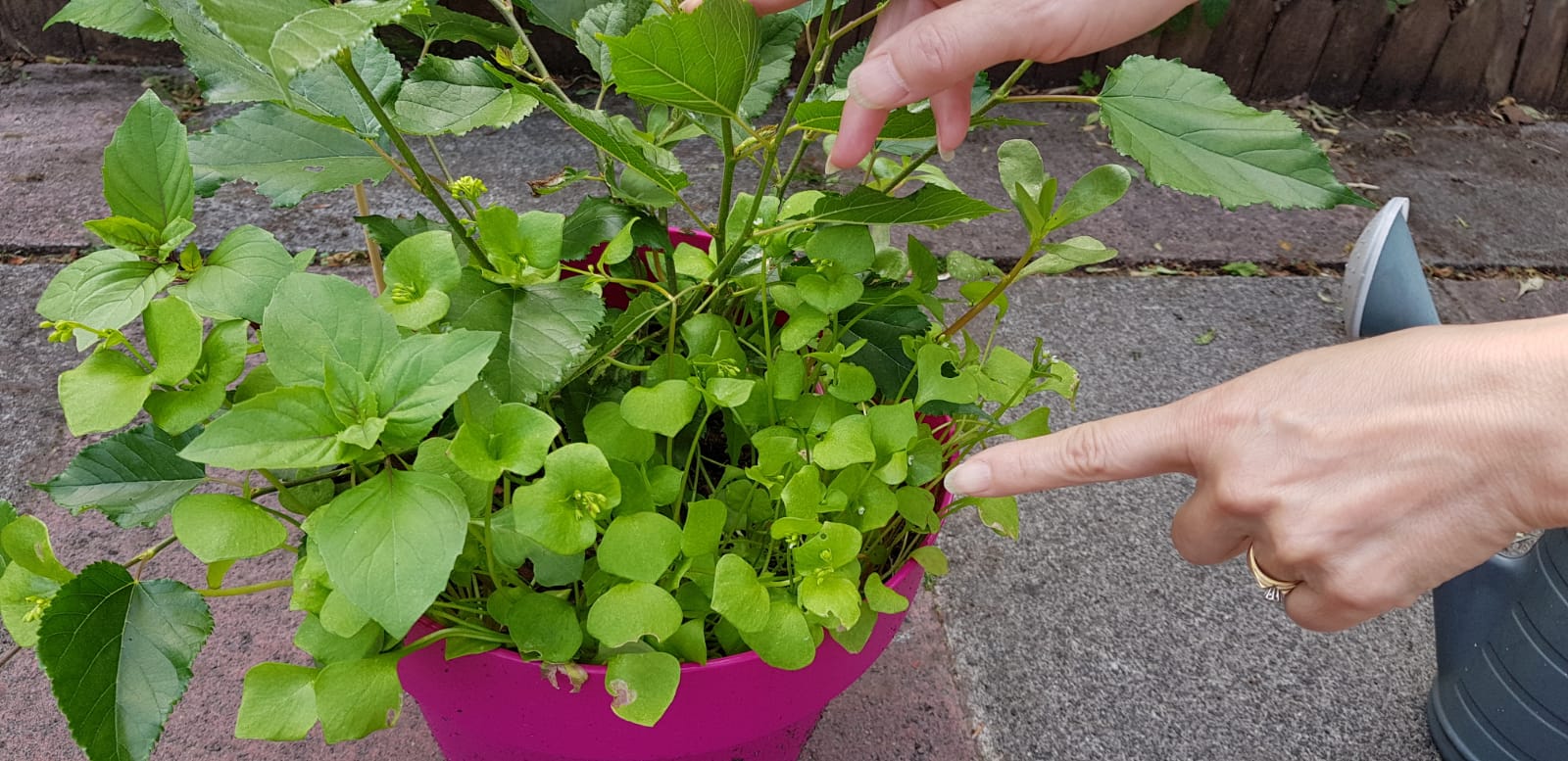
When I began to populate my garden, I was looking for things that I could neglect and still get food from year after year. I also originally had to find lots of things that would do well in the shade as one long strip of my garden would spend most of the day, most of the year, in the shade of the fence. On the internet I discovered winter purslane. I made a mistake when buying seeds and purchased purslane. Without winter as a prefix, the purslane you get is the distantly related summer/common purslane. This was no bad thing as when researching it I found that summer purslane is considered a weed by many as it can be hard to get rid of, but it is also edible and actually very nutritious. In a book on perennials I found Siberian purslane. It was reported to provide good ground cover in deep shade. This is what I found:
Summer/common purslane – portulaca oleracea

Seedlings a few weeks old 
A purslane plant I saw in pavement crack on holiday
This does indeed grow well. When well-spaced you can get very juicy big leaves. It has succulent red stems and succulent obovate (oval-ish but fatter towards the tip) leaves. Both parts taste tangy but not as sour as sorrel. It can self-seed, but I assumed with its weed like reputation it would come back the year after. It sadly did not. You can save seeds from the plant for the following year. Named summer purslane, it does indeed grow well in the summer. It can be sown March to September directly outdoors, but it needs a sunny spot.
Winter purslane / miner’s lettuce – claytonia perfoliate
This starts with cordate (sort of upside-down heart shaped-ish) leaves that are succulent, but not quite as thick as the summer purslane. The stems are just as juicy though. As the plant matures it begins to send up round leaves that have a tiny white flower in the centre. All these are edible too. Winter purslane tastes more lettuce like, so it provides a nice, easy to grow salad leaf. It thrives in the shade (does great in part sun, will flower and go to seed quite quickly in full sun) and can be sown July-September. The best things about this plant is that it provides salad leaves through the winter, hence the name. The first year we grew these, we made a lovely salad on Christmas Day – just because we could! This one really does self-seed like crazy and we found them in pavement cracks and pots that had been nearby. It was quite nice harvesting whilst weeding the paving stones. I’ve not sown these again since the first time and it comes up itself in two flushes yearly. They first appear in April and grow quickly, flowering and dying back in June. Then they appear again around August and grow more slowly over the colder months, before flowering and dying as spring comes. My little one absolutely loves these and will graze on them in the garden. Occasionally she will go and ‘pick a salad’ which consists mostly of winter purslane, dill and mint.
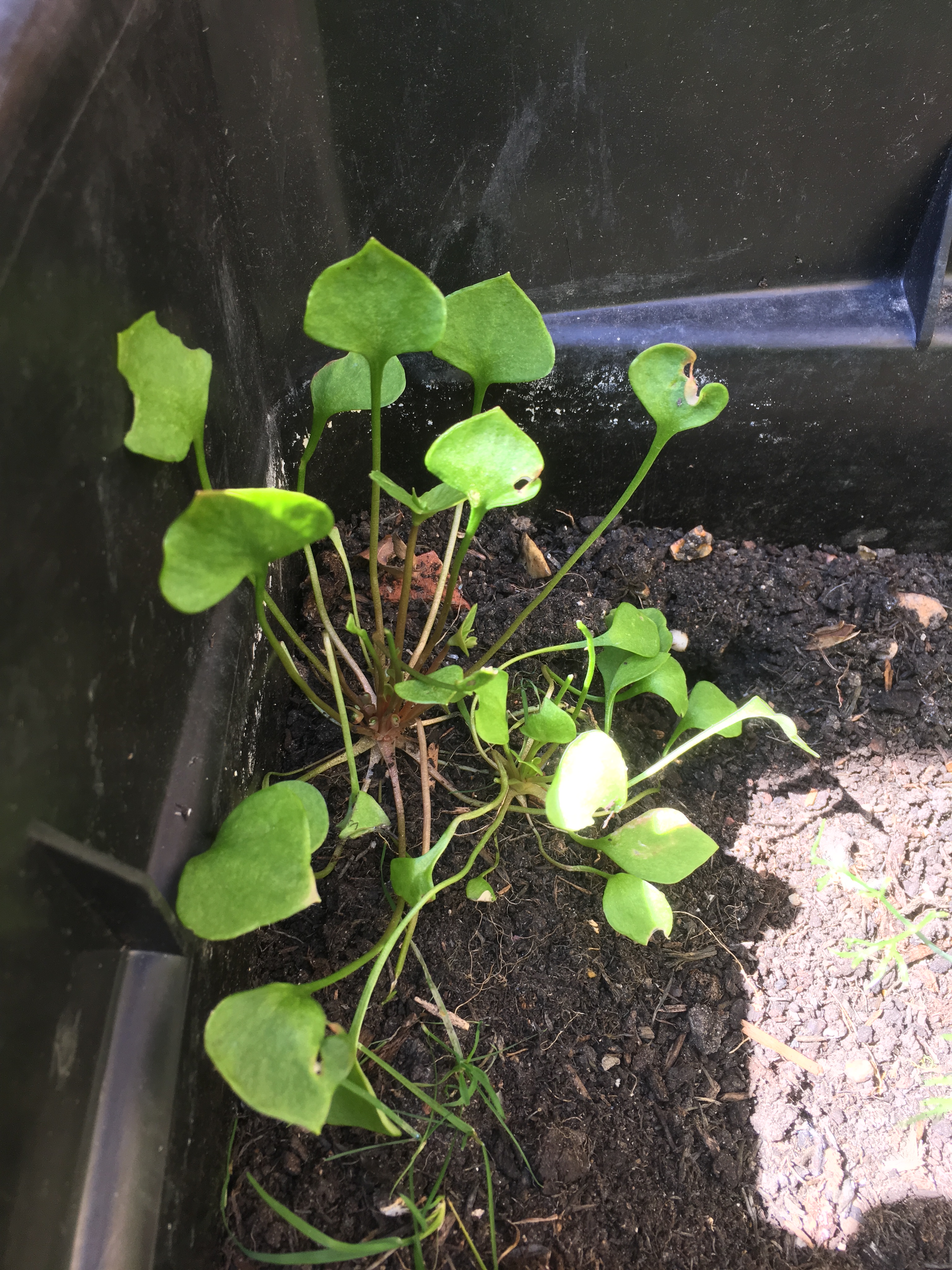
From the single plant you can see the leaves all radiate from the base 
The rounded leaf that the tiny white flowers grow from
When they self seed they an do so in thick clumps. I’d advise thinning and eating the thinnings to get plants that have bigger juicer leaves
Siberian purslane – claytonia sibirica
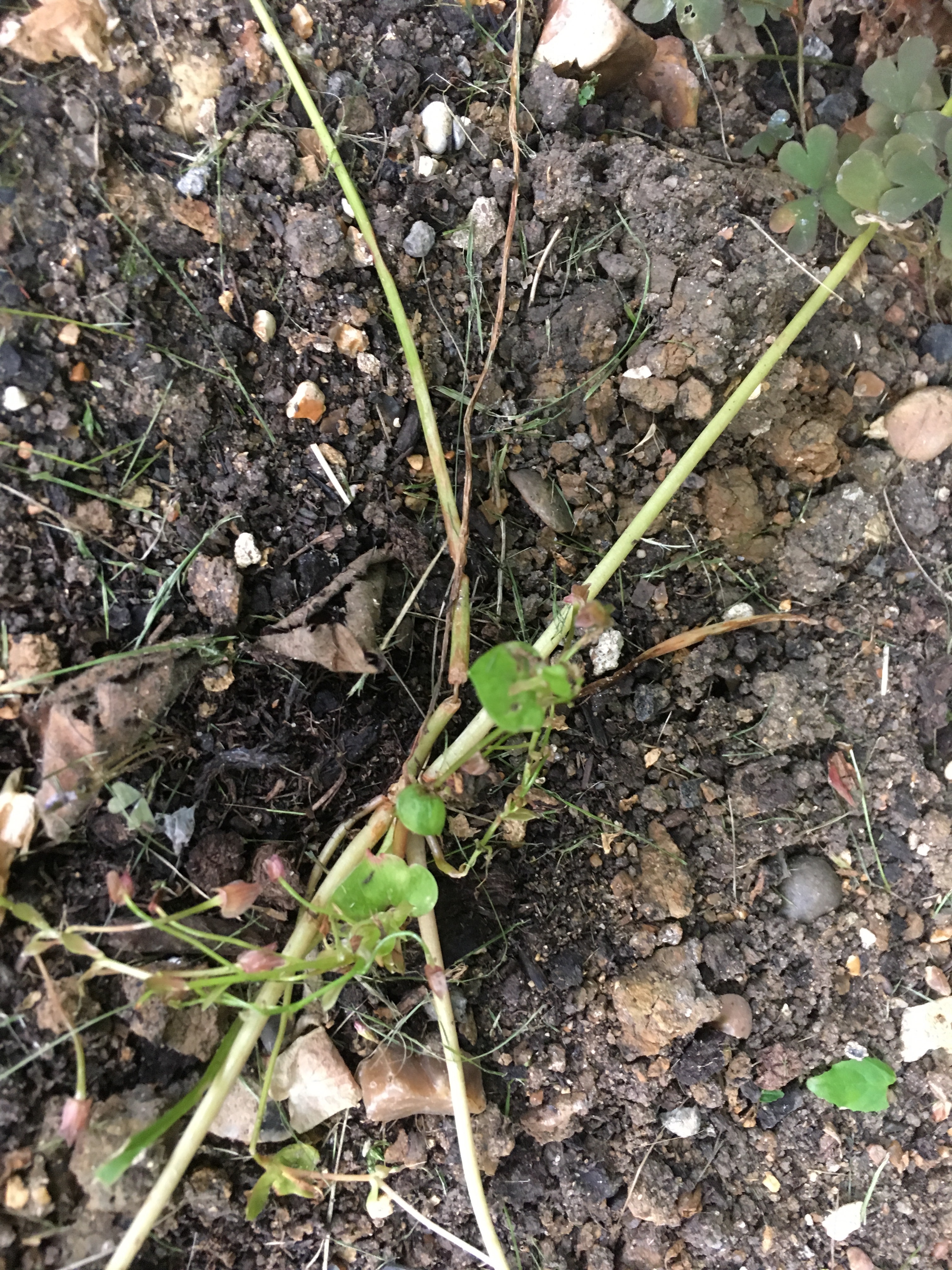
This is the only picture I managed to take and it looks rather sad
This one took me a while to track down as it seems really hard to find seeds for it. I was determined to get this shade loving perennial with cute pink flowers. I figured that they’d be as wonderful as the winter purslane. I found that they didn’t germinate very readily, unlike the other two. I was really excited when it finally grew and I put it in the shadiest spot in the garden. It didn’t grow particularly lush and over the past 4 months it hasn’t done much. I then tasted it and it was bitter and yucky. I’m afraid I’m not convinced. Maybe my seeds came from some cross breeding and weren’t very good. I’ll have to see what happens over winter. Maybe it will perk up and taste better.
I’ll continue to grow the summer purslane and just let the winter purslane continue to go crazy whenever and wherever it feels the desire to germinate. It’s an easy way to get food out of the garden for very little effort and it’s a bonus way to get greens into the little one.










 Not a Horticulturist